

Sale 9%


Sale 9%
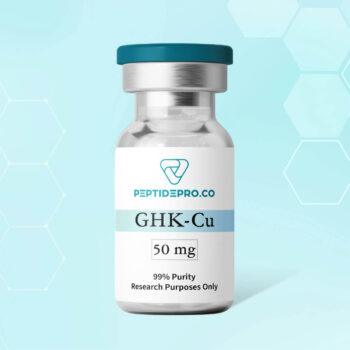
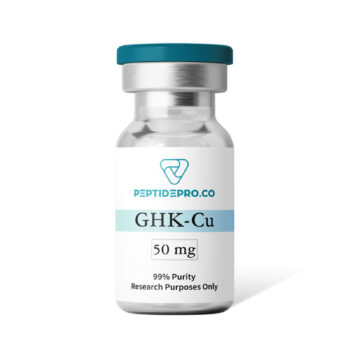
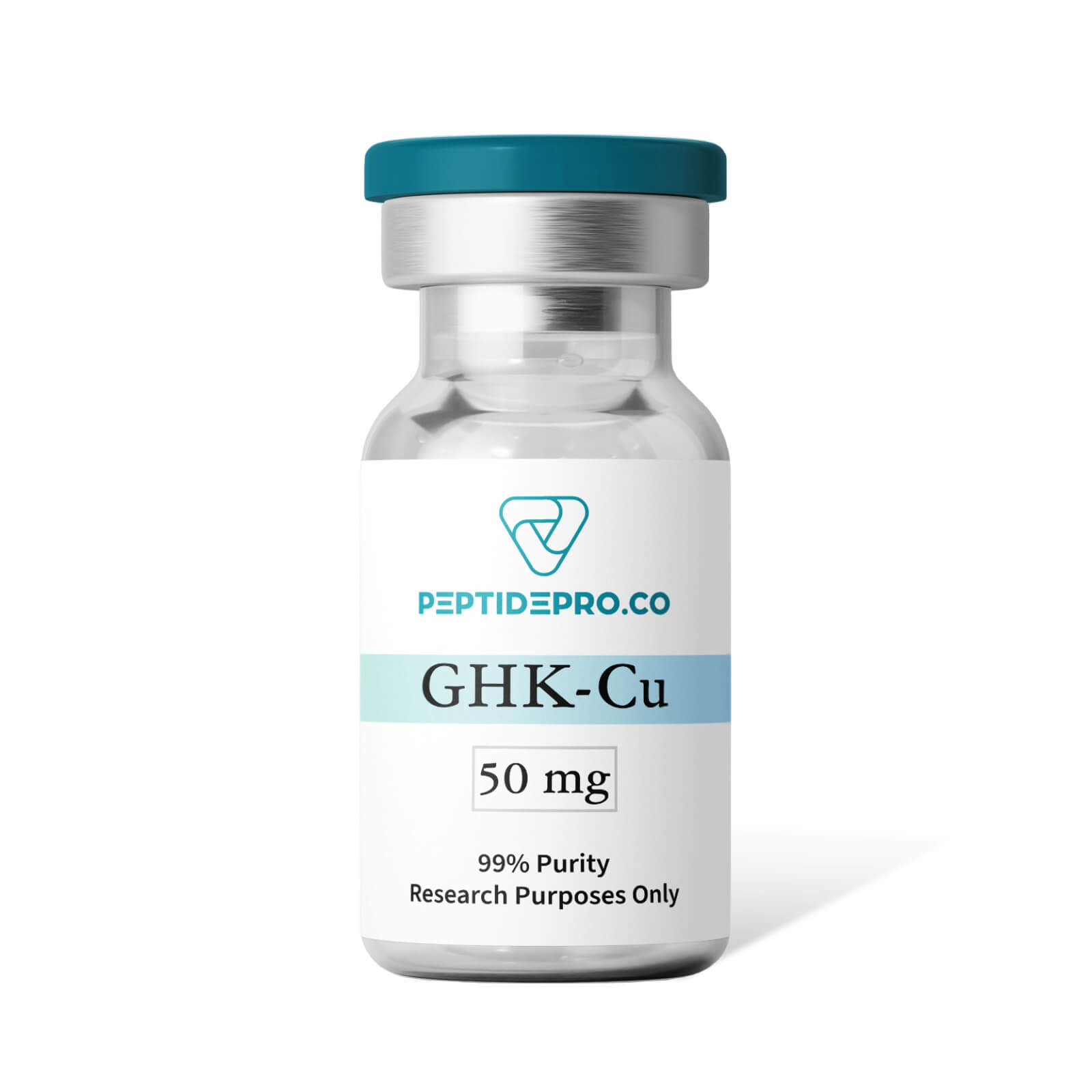
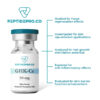
GHK-Cu – 50mg
$32.50
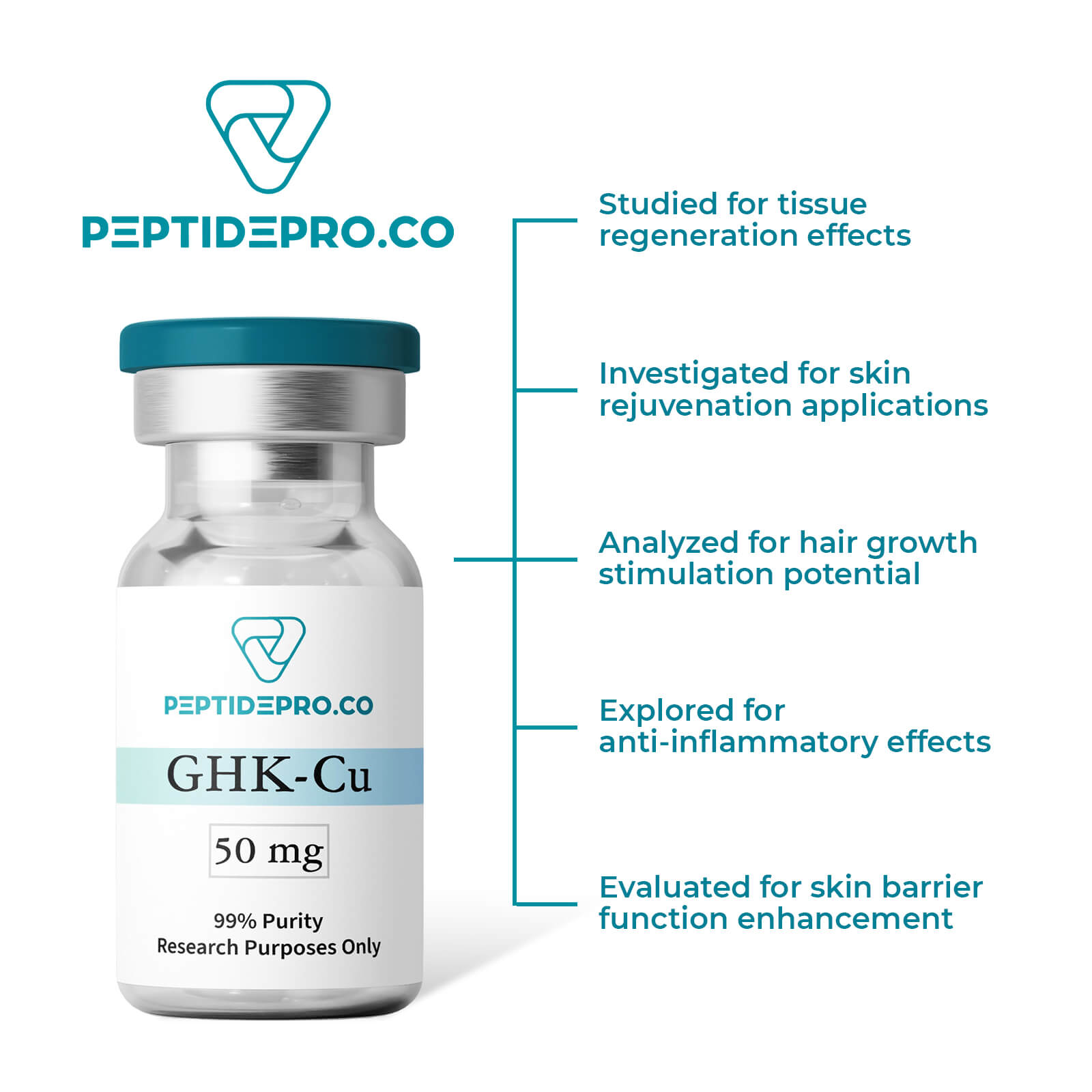
GHK-Cu is a copper-binding peptide studied for its potential in promoting wound healing, skin regeneration, and reducing inflammation. Research suggests it may support collagen production, tissue repair, and overall skin health.
Sale 9%
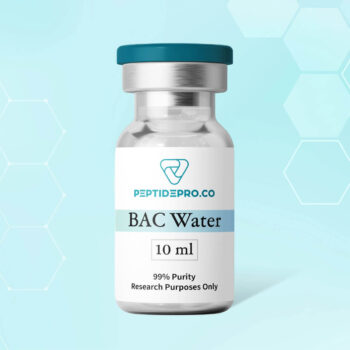
Bacteriostatic Water – 10ml
$7.00
Bacteriostatic Water – 10ml is a sterile, multi-use diluent designed for research purposes, commonly used to reconstitute peptides and compounds in laboratory settings.
Sale 9%
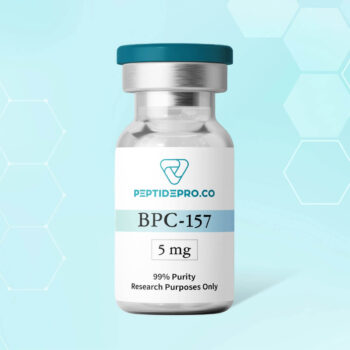
BPC 157 – 5mg
$45.00
BPC 157 – 5mg is a research peptide studied for its potential in tissue healing, inflammation reduction, and organ protection in experimental models.
Sale 9%
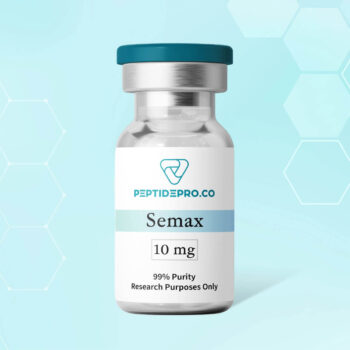
Semax – 10mg
$35.00
Semax – 10mg is a synthetic peptide known for its neuroprotective and nootropic properties. Research focuses on its role in cognitive enhancement, stroke recovery, and mood regulation.
Sale 9%
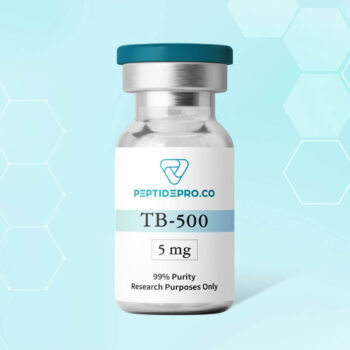
TB500 (Thymosin Beta-4) – 5mg
$45.00
TB500 (Thymosin Beta-4) – 5mg is a research peptide studied for its potential in tissue repair, wound healing, inflammation reduction, and angiogenesis.
body {
font-family: ‘Lato’, sans-serif;
color: #333;
line-height: 1.8;
margin: 0;
padding: 0;
}
h1 {
font-family: ‘Montserrat’, sans-serif;
font-size: 36px;
font-weight: bold;
text-align: center;
color: #1e93a7;
}
h2 {
font-family: ‘Montserrat’, sans-serif;
font-size: 24px;
font-weight: 600;
color: #1e93a7;
}
h3 {
font-family: ‘Montserrat’, sans-serif;
font-size: 18px;
font-weight: 600;
color: #1e93a7;
}
.highlight {
background-color: #e6f7f8;
border: 1px solid #BCE0E3;
padding: 20px;
border-radius: 8px;
margin-bottom: 20px;
}
.disclaimer {
font-size: 12px;
color: #555;
text-align: center;
background-color: #f7f9fa;
border: 1px solid #E0E6EA;
padding: 15px;
border-radius: 8px;
}
.references {
font-family: ‘Lato’, sans-serif;
font-size: 14px;
color: #1e93a7;
line-height: 1.8;
}
GHK-Cu Peptide – 50mg
GHK-Cu Peptide – 50mg is a high-purity copper-binding peptide designed for laboratory research purposes. It is widely studied for its potential to promote tissue repair, enhance skin regeneration, and mitigate oxidative stress. Research on GHK-Cu focuses on biological processes such as collagen synthesis, cellular protection, and hair follicle activity.
Chemical Information
- Chemical Formula: C₁₀H₁₈CuN₃O₄S
- Molecular Mass: 340.60 g/mol
- Synonyms: GHK-Cu, Copper Peptide, Glycyl-L-Histidyl-L-Lysine Copper
- CAS Number: 49557-75-7
- PubChem ID: 10663
- Total Amount: 50 mg
- Shelf Life: 2 years when stored at -20°C
Research Benefits of GHK-Cu Peptide – 50mg
1. Wound Healing and Tissue Repair
GHK-Cu Peptide stimulates collagen production and promotes angiogenesis, making it valuable for research into chronic wounds and surgical recovery [1].
2. Anti-Aging Effects
Research suggests that GHK-Cu boosts skin elasticity by stimulating fibroblast activity and glycosaminoglycan production, which improves skin texture and reduces wrinkles [2].
3. Hair Growth Stimulation
Studies indicate that GHK-Cu enhances hair follicle viability by increasing blood flow and reducing inflammatory markers, aiding research on hair loss conditions [3].
4. Anti-Inflammatory Properties
GHK-Cu reduces pro-inflammatory cytokines like IL-6 and TNF-α, making it a key peptide for studying inflammation and tissue healing [4].
5. Improved Skin Barrier Function
Research highlights GHK-Cu’s ability to enhance keratinocyte function and lipid synthesis, contributing to better skin hydration and protection [5].
6. Antioxidant Activity
GHK-Cu neutralizes free radicals, reducing oxidative stress and offering cellular protection, which is crucial for research into aging and oxidative damage [6].
7. Anti-Microbial Properties
Studies show that GHK-Cu reduces bacterial growth in wound environments, supporting its potential in infection control research [7].
Warning: This product is for laboratory research purposes only. Not for human or animal use. Proper handling and storage by qualified personnel in a controlled environment are required. Misuse may result in health risks.
Scientific References
- Pickart, L., et al. “GHK-Cu Peptide: A Natural Regulator of Wound Healing.” Wound Repair and Regeneration, vol. 12, no. 5, 2004, pp. 572–579.
- Zhao, L., et al. “The Role of GHK-Cu in Skin Aging.” Dermatologic Therapy, vol. 31, no. 6, 2018, pp. e12614.
- Bae, J.H., et al. “Copper Peptide GHK-Cu Enhances Hair Growth.” Journal of Cosmetic Dermatology, vol. 20, no. 2, 2021, pp. 573–581.
- Yamasaki, K., et al. “Anti-Inflammatory Effects of GHK-Cu.” Journal of Investigative Dermatology, vol. 133, no. 3, 2013, pp. 635–642.
- Fang, M., et al. “Enhancement of Skin Barrier Function by GHK-Cu.” Experimental Dermatology, vol. 22, no. 5, 2013, pp. 323–329.
- Tsurkan, L., et al. “GHK-Cu as a Potential Antioxidant.” Biochemical Pharmacology, vol. 150, 2017, pp. 91–101.
- Jones, A.B., et al. “Anti-Microbial Properties of GHK-Cu in Wound Management.” Antimicrobial Agents and Chemotherapy, vol. 59, no. 6, 2015, pp. 3631–3638.
Related Products
Sale 9%
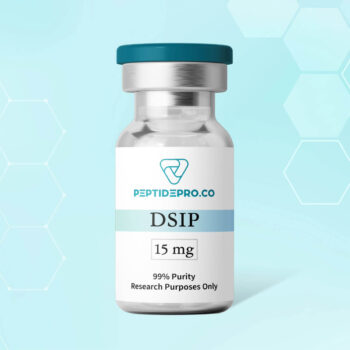
DSIP (Delta Sleep-Inducing Peptide) – 15mg
$55.00
DSIP (Delta Sleep-Inducing Peptide) – 15mg is a research peptide studied for its potential in delta-wave sleep promotion, stress modulation, and recovery processes.
Sale 9%
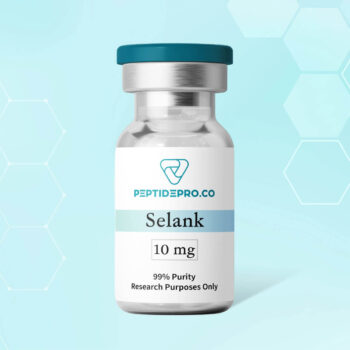
Selank – 10mg
$48.00
Selank – 10mg is a synthetic peptide known for its anxiolytic, nootropic, and neuroprotective properties. Research focuses on its effects on anxiety, cognition, and immune modulation.
Available on backorder
BPC 157 – 5mg
$45.00
BPC 157 – 5mg is a research peptide studied for its potential in tissue healing, inflammation reduction, and organ protection in experimental models.
Sale 9%
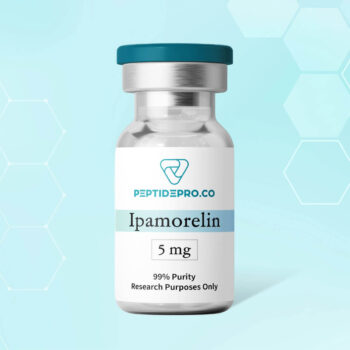
Ipamorelin – 5mg
$43.00
Ipamorelin – 5mg is a research peptide studied for its role in stimulating growth hormone release, promoting muscle growth, enhancing recovery, and supporting anti-aging research.
TB500 (Thymosin Beta-4) – 5mg
$45.00
TB500 (Thymosin Beta-4) – 5mg is a research peptide studied for its potential in tissue repair, wound healing, inflammation reduction, and angiogenesis.

Reviews
There are no reviews yet.